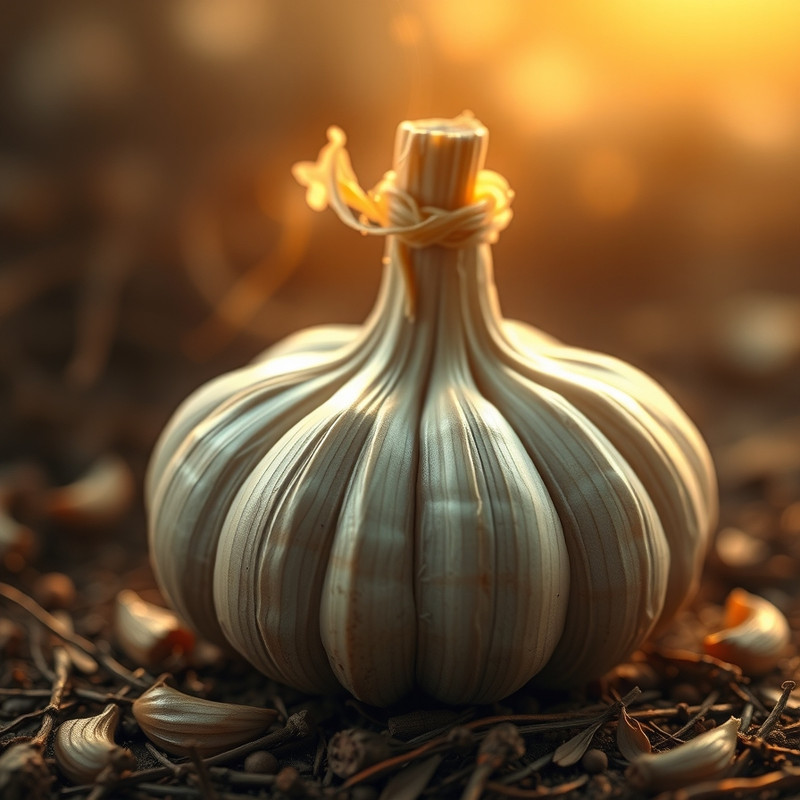
Garlic
Description
A biennial and perennial plant with a cylindrical stem that can reach up to 50 cm in height. The bulb (head) is divided into cloves and has a pungent, spicy flavor. It is classified as a "hot" plant.
Key Properties & Benefits
Its active components include essential oil (alliin), fructans, phospholipids, and thiocyanin compounds. It has anthelmintic (antiparasitic), antibacterial, antiseptic, antithrombotic, and fibrinolytic activity, and is hypocholesterolemic.
Basic Uses
It is primarily used as an anthelmintic (to deworm or remove worms). It is also used to treat colic, spasms, and lower back pain. Using garlic in cooking is recommended as a way to purify the blood.
Cultural Significance
It is an important plant in the Mayan worldview for managing the concepts of Heat, Cool and Cold in food´.
Spiritual & Ceremonial Use
Garlic has a deep-rooted spiritual use in various cultures, where it is considered a powerful protector against evil and negative energies. It is believed to purify spaces and people, ward off evil spirits, and attract good luck and abundance. In spiritual rituals, garlic can be consecrated with prayers to become a symbol of divine protection and healing, and it is also used for personal protection in strategic locations such as entrances or on clothing. Its potent aroma and symbolic properties make it a common element in ceremonies for purification and spiritual protection.
Preparation Methods
Internal Use: Used as an infusion/tea or crushed. External Use: Used in conjunction with air leaf (Kalanchoe pinnata) to make drops that relieve tinnitus, inflammation, and ear pain. Can be used as a poultice or compress (for cavities) for young children.
Dosage Guidelines
For deworming (Internal Use): Drink a tea in the morning on an empty stomach for three days. The number of cloves or crushed grains to use varies according to age: 1 clove of garlic and 1 for each year of age for children 2 to 8 years old; 2 cloves and 1 for each year of age for children over 8 years old; and 3 cloves for adults, mixed with other ingredients such as papaya latex or marigold seeds. The treatment should be repeated two weeks later.
Precautions & Warnings
Garlic is recommended for use in cooking. Dosages for antiparasitic use must be respected.
Ethical Harvesting
Ethical garlic harvesting involves practices that respect the plant's natural cycle, minimize environmental impact, and promote soil health and biodiversity. This includes harvesting at the right time according to the climate and maturity, avoiding damage to the garlic during harvesting, and preserving soil conditions for future plantings.