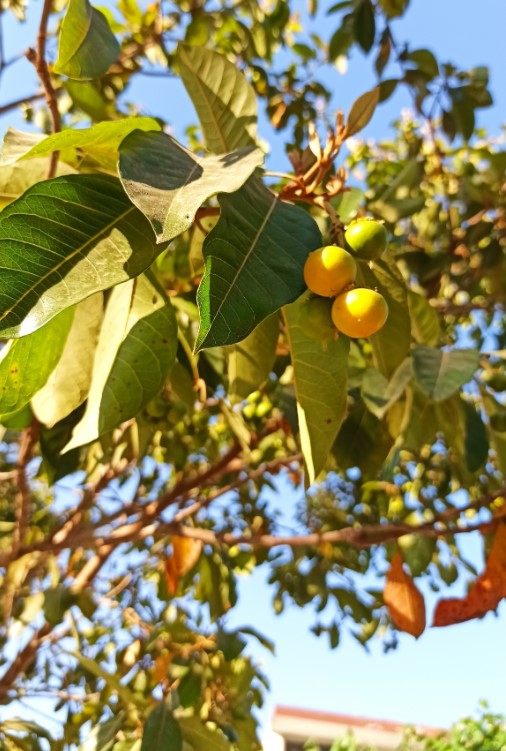
Nance
Description
A tree or small shrub. It produces ovoid fruits, yellow to orange in color, which are edible, sweet or sour, and contain a large pit. The leaves are leathery, and the flowers are yellow to red.
Key Properties & Benefits
It has astringent (especially the bark and leaves), antiseptic, diuretic, and tonic properties. It contains proanthocyanidins. Nance bark is used in washes for its anti-inflammatory activity.
Basic Uses
The bark and leaves are used to treat diarrhea and dysentery. Externally, it is used as an anti-inflammatory, tonic, and for skin conditions such as ringworm and eczema. The fruit is widely consumed.
Cultural Significance
It is a plant traditionally used for health and food. The powdered bark is used to treat skin conditions.
Spiritual & Ceremonial Use
In traditional and spiritual medicine, an infusion of the fruit or leaves is used as a remedy to attract positive energies and protect against negative influences. It is recommended to drink it on specific days, such as Tuesdays or Fridays, to ward off evil spirits and promote energetic harmony.
Preparation Methods
Internal Use: It is administered as a decoction or infusion of the bark or flowers. External Use: For skin conditions, the decoction of the powdered bark is used to wash the affected area.
Dosage Guidelines
Internal use (Decoction/Infusion): A dose of 2-5 g/cup is recommended, administered 2-3 times a day after meals, for 5-6 weeks. External use (Ringworm/Eczema): Use 2 tablespoons of bark powder in one liter of water to wash the skin.
Precautions & Warnings
No contraindications or precautions were reported at the recommended dose
Ethical Harvesting
The bark, leaves, and flowers are collected throughout the year and must be dried in the shade at a temperature below 45°C.