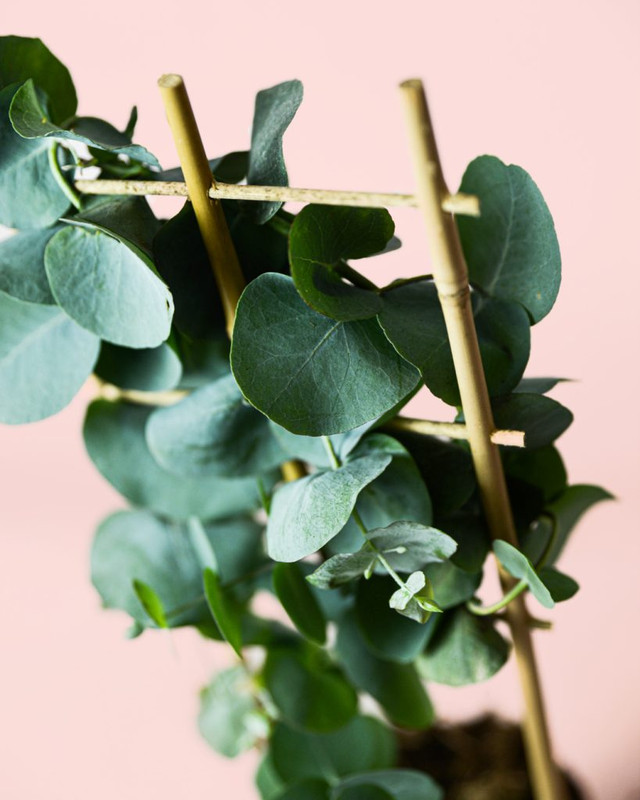
Eucalyptus
Description
A tree that can grow to over 20 meters tall. Its leaves are lanceolate, fragrant, and glaucous green. It has flowers with many whitish stamens that form capsules. E. citriodora is distinguished by its smooth, white or pinkish bark.
Key Properties & Benefits
Its main component is essential oil. It has antiseptic, balsamic, expectorant, fever-reducing, anticatarrhal, and decongestant properties.
Basic Uses
It is used to treat respiratory conditions such as flu, coughs, bronchitis, and colds. It is also used to treat muscle aches. The leaves are used in an infusion to relieve cold symptoms.
Cultural Significance
It is widely used in traditional medicine to relieve cold symptoms, and is mentioned in a recipe for baths following the quarantine of women who have gone through childbirth (along with Relapse Herb and Cedar).
Spiritual & Ceremonial Use
It is used in baths along with other plants for women who have recently given birth, after the postpartum period. It is also used in baths to treat fever and the flu, often combined with vervain.
Preparation Methods
Infusion/Decoction (Tea): For coughs and respiratory ailments, the leaves are boiled. It can be mixed with orange, cinnamon, oregano, and thyme. Inhalation (Steam): The steam from its leaves is used to clear the airways and treat colds and sinusitis. Baths/Poultices: It is used for baths.
Dosage Guidelines
Infusion/Decoction: For colds, use 5 leaves in one liter of water. For coughs, adults should drink one glass every hour. Inhalation: Use 10 eucalyptus leaves per liter of water, along with other plants.
Precautions & Warnings
The use of eucalyptus leaves should be avoided during pregnancy and breastfeeding. Furthermore, it is noted that the purported effects against coughs have not been experimentally corroborated, and other experimentally demonstrated biological actions suggest restricting its use in pregnant women and children.
Ethical Harvesting
Mature leaves can be collected at any time of year and dried in the shade. It is propagated by seed in seedbeds.