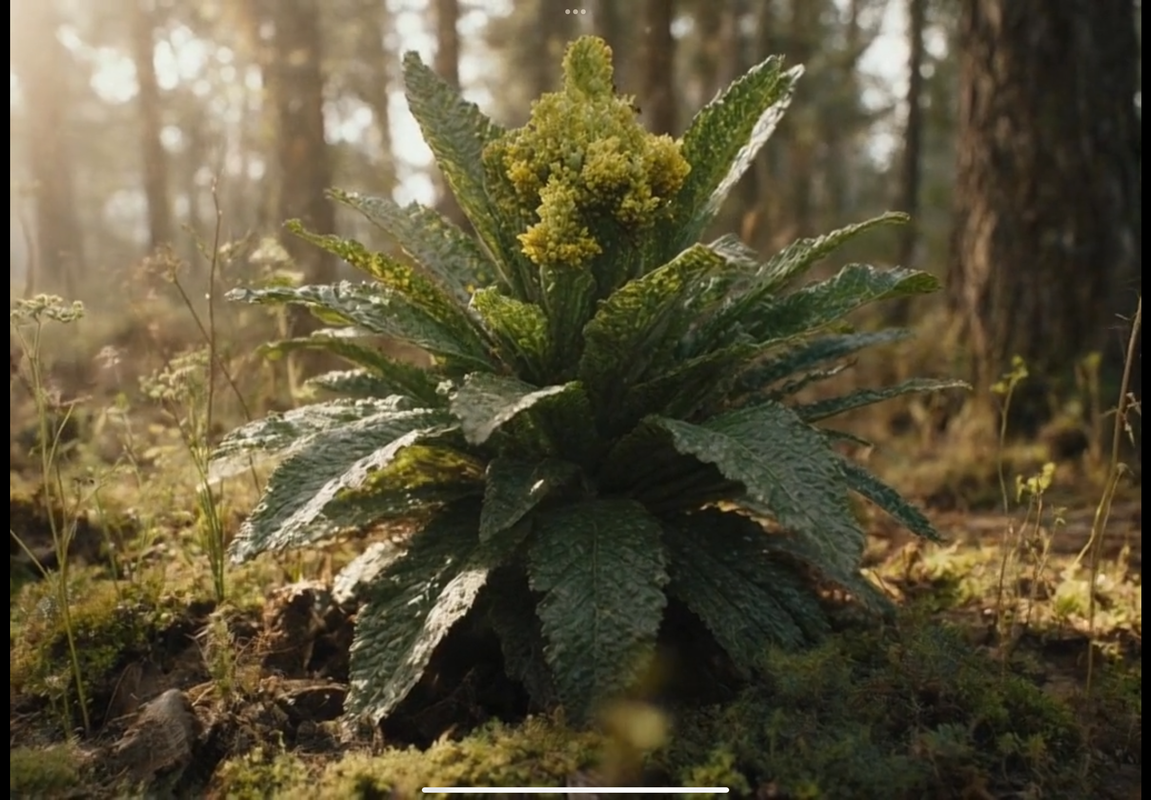
Rue (Ruta graveolens)
Description
General Description of Rue Rue (Ruta graveolens) is a perennial herb native to the Mediterranean, known for its strong aroma and bluish-green leaves. Its small yellow flowers grow in clusters and release a penetrating scent, making rue a symbol of protection and purification. Today, it is widely cultivated in Latin America, Europe, and Western Asia for both its medicinal and spiritual properties. Spiritual Properties Rue is considered a powerful protective herb in many cultures: Used in spiritual baths and incense to cleanse negative energy. Attracts good luck and strengthens personal energy. Represents balance between body and spirit. Commonly placed in homes or near entrances for energetic protection. Plant Care for Rue Light: full direct sunlight. Watering: moderate; avoid overwatering to prevent root rot. Soil: well-drained, preferably calcareous. Location: near entrances or windows to maximize protective properties. Maintenance: regular pruning to maintain shape and vigor.
Key Properties & Benefits
Digestive health: relieves cramps, gas, and slow digestion. Menstrual support: helps regulate the cycle and ease cramps. Muscle and joint pain: reduces inflammation when applied externally in oils or compresses. Natural antiseptic: cleans minor wounds and prevents infections. Calming effect: mild doses help reduce anxiety and stress.
Basic Uses
Supports digestion and alleviates minor aches. Protects your environment energetically. Naturally repels insects. Harmonizes body, mind, and spirit. Can be used in baths, infusions (with caution), or macerated oil.
Cultural Significance
Rue is not just a medicinal plant; it is an ancestral symbol of protection, purification, and balance. In the Maya worldview and other Latin American traditions: Energetic protection: Rue is believed to ward off negative energies from homes and people. For this reason, it is placed near entrances or used in baths and incense rituals. Purification of body and spirit: Its leaves and flowers are used in rituals to harmonize the physical body with the spiritual plane. Connection with ancestral wisdom: Cultivating and using rue keeps alive the relationship with nature and traditional knowledge passed down through generations. Balance and well-being: It represents the union between the physical and spiritual, reminding us that true health combines body, mind, and spirit.
Spiritual & Ceremonial Use
During the ceremony, rue is employed in several ways: In the fire offering: rue branches are placed alongside copal, sweets, flowers, candles, and seeds. Rue neutralizes dense energies and strengthens the participant’s connection with the Ajaw (creative energy). Personal cleansings: the guide passes rue branches over the participant’s body from head to toe with gentle movements while praying. Incense rituals: dried rue is burned with incense or copal; the smoke blesses the four cardinal points and altars in the space. Intention and Spiritual Closing Using rue is always accompanied by conscious intention and sacred words. The ajq’ij asks permission from the nawales (day energies) before using it. Rue is invoked to cleanse the spirit, repel negative energy, and open the heart. At the end, rue water may be sprinkled over participants to seal the energy and give thanks to the elements: earth, air, fire, and water. Symbolic Meaning In Maya symbolism, rue is associated with: Green color Feminine principle of nature Vital force that allows spiritual rebirth It is also used in ceremonies related to: Fertility Health Protection of children and the family
Preparation Methods
1. Infusion (Tea) What it is: Pour nearly boiling water over fresh or dried leaves and let steep for 5–15 minutes, then strain and use. Use: mild digestive aid, calming effect in small doses. Precaution: use in low doses; not recommended during pregnancy. Source: traditional use guides and infusion recipes. (Tua Saúde) 2. Decoction What it is: Boil parts of the plant (sometimes stems or roots) for several minutes, then strain and cool. Use: washes, cleansing baths, external ailments, or when stronger compounds need to be extracted. Source: ethnobotanical records and historical texts on traditional remedies. (JSTOR) 3. Rue Water / Baths (Sprinkling) What it is: Infusion or decoction prepared to sprinkle on people, bless offerings, or use in ceremonial baths. Use: ritual cleansings, purification, and closing ceremonies. Source: ritual ethnography and traditional use manuals (ceremonial use in Guatemala/Latin America). (repository.si.edu) 4. Oleate / Macerated Oil (Infusion in Oil) What it is: Macerate fresh or dried leaves in a vegetable oil (olive, sunflower) for days or weeks; strain and use the resulting oil. Use: massage oils, liniments for muscle pain and arthritis; base for ointments. Precaution: patch test on skin; avoid if photosensitive. Source: herbal recipes and oleolate preparation practices. (ivywood.ie) 5. Tincture (Alcohol-Based) What it is: Macerate the plant in alcohol (e.g., vodka or ethyl alcohol) for several weeks, then strain. Use: very controlled doses as an antispasmodic or for external remedies (diluted). Precaution: rue can be toxic in concentrated extracts; use under supervision. Source: pharmacognosy and ethnobotanical literature. (repository.si.edu) 6. Ointments / Salves What it is: Fry part of the plant in lard or fat, or mix oleate with wax to make an ointment. Use: topical application for localized pain. Source: ethnological reports and traditional compendiums. (repository.si.edu) 7. Poultices / Compresses What it is: Apply crushed leaves or compresses soaked with the plant to the affected area. Use: inflammation, bruises, muscle pain. Precaution: monitor skin for irritation or photodermatitis. Source: herbal manuals and practical guides. 8. Incense / Fumigation (Smoke) What it is: Dry branches/leaves and burn them alone or mixed with copal/incense. Smoke is used to cleanse spaces or people. Use: purification rituals and energetic protection. Source: ceremonial uses documented in ethnography. (repository.si.edu) 9. Mouth Rinse / Gargle (with caution) What it is: Dilute a weak infusion for mouth rinse or gargle. Use: traditional remedies for toothache or oral infections (historical). Precaution: do not swallow; use small amounts; risk of toxicity. (repository.si.edu) General Precautions (Summary) Toxicity: Rue contains compounds that can be hepatotoxic and abortifacient in high doses; use moderately. Phototoxicity: Contact with skin (especially fresh juice) can cause reactions or burns when exposed to sunlight; wear gloves when handling. (Plantura) Pregnancy and breastfeeding: contraindicated. Interactions: may interact with medications or other plants; does not replace medical treatment. (PubMed)
Dosage Guidelines
1. Rue Infusion for Digestion and Mild Cramps Plant: fresh or dried leaves Amount: 1–2 teaspoons (2–5 g) of leaves per cup of water Preparation: pour nearly boiling water over the leaves, let steep 5–10 minutes, then strain Recommended dose: 1 cup per day Use: helps relieve slow digestion, gas, or mild cramps 2. Rue Infusion for Mild Anxiety or Stress Plant: dried leaves Amount: 1 teaspoon (approx. 2 g) per cup of water Preparation: infuse for 5 minutes, then strain Recommended dose: 1 cup, preferably in the afternoon or before bedtime Use: mild calming effect, helps promote relaxation Precaution: do not exceed the amount; high doses can cause irritation or discomfort 3. Rue Bath for Energetic Cleansing and Relaxation Plant: 50 g fresh or dried leaves per liter of water Preparation: lightly boil, then let cool to a lukewarm temperature Recommended dose: use for sprinkling over the body or partial bath, do not ingest Use: energetic purification, feeling of well-being, and muscle relaxation Precaution: do not apply to sensitive skin if using fresh leaves; avoid eyes and mucous membranes
Precautions & Warnings
Toxicity: do not exceed recommended doses; excessive intake can be hepatotoxic or abortifacient. Pregnancy and breastfeeding: completely contraindicated. Duration: should not be used continuously for more than 7–10 days without supervision. Avoid direct contact with fresh plant material if sensitive to skin irritation. Use moderately and mindfully, especially with other remedies.
Ethical Harvesting
Connection and Respect Before Harvesting Give thanks: before touching the plant, take a moment to thank it for its presence and teachings. Clear intention: define the purpose of the harvest (medicine, ritual, protection). Respect the plant: never uproot the entire plant or cut excessive branches; only take what you need. 2. Ideal Time for Harvesting Time of day: preferably in the morning, when the plant’s energy is strongest. Moon phase: in Maya tradition and ancestral herbalism, the waxing moon is ideal for collecting leaves and flowers with the greatest vital force. 3. Cutting Techniques Use clean tools: sharp, clean scissors or knife. Selective cutting: take only small leaves or branches; leave the base and buds intact so the plant continues to grow. Moderate quantity: harvest a maximum of 1/3 of the plant at a time. 4. Integrating Blessings Words or prayers: during harvesting, you can whisper words of gratitude and protection, asking permission to use its properties. Respect the environment: avoid stepping on other plants or damaging the soil; harvesting should be harmonious with the ecosystem. 5. Post-Harvest Care Drying and storage: dry the leaves and branches in a ventilated, shaded area to preserve their aroma and energy. Conscious use: use the rue only for the purposes for which it was harvested; avoid waste.