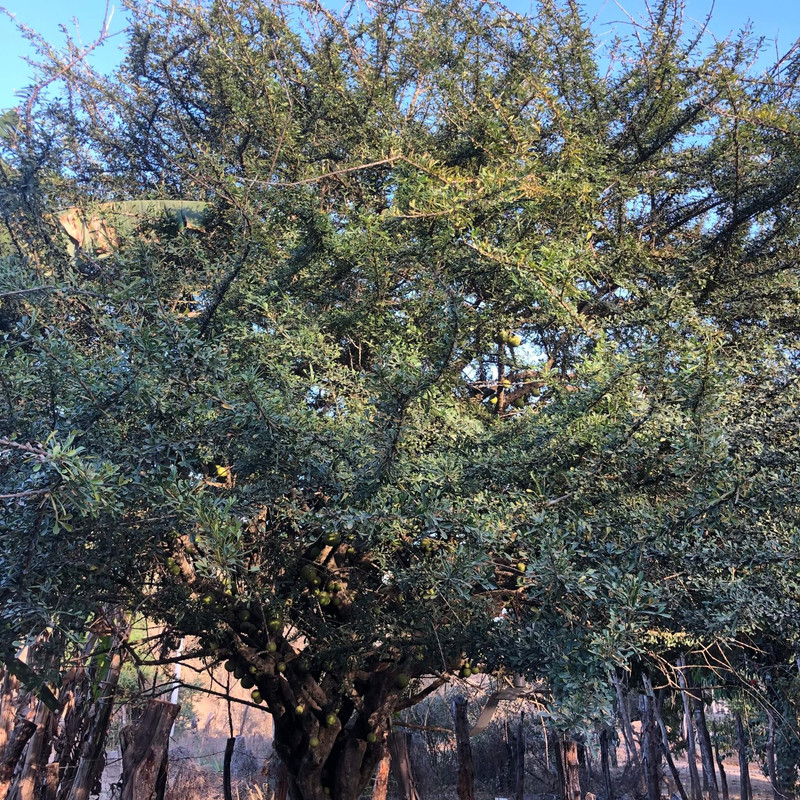
Mexican calabash
Description
Medium-sized tree. The leaves are cross-shaped (due to their arrangement).
Key Properties & Benefits
Specific information on key properties is limited; however, it is advised that the chemicals it contains may cause unwanted stimulant effects.
Basic Uses
The Morro de Llano is primarily used to make gourds, rattles, and other handicrafts. It is said to have fewer medicinal properties than the Morro (Crescentia cujete).
Cultural Significance
The cultural significance of the Morro de Llano or Mexican calabash plant is deeply rooted in its traditional uses in indigenous and rural communities of Central America. The plant's hard, hollow fruits have been used for centuries to create containers, musical instruments, household utensils, and handicrafts, reflecting a direct connection to daily life and sustainability.
Spiritual & Ceremonial Use
It symbolizes creativity and the full utilization of natural resources, serving as an example of how indigenous communities have intelligently integrated nature into their material culture. Furthermore, in some places, it has spiritual and ceremonial connotations, occasionally being used in rituals or traditional practices that celebrate the relationship with the land and its bounty.
Preparation Methods
Morro de llano syrup or Crescentia alata is prepared mainly with the fruit pulp, water, sugar and alcohol, and is traditionally used to relieve respiratory conditions such as cough, asthma, bronchitis and flu.
Dosage Guidelines
Caution is advised when using the syrup. Take 1 to 2 tablespoons before meals, 2 to 3 times a day to relieve respiratory conditions such as coughs, asthma, and bronchitis. For asthma treatment, it is often taken in combination with other herbs such as mullein, eucalyptus, and elderberry.
Precautions & Warnings
Caution is advised regarding syrup dosage and individual sensitivity to its chemicals. The chemicals may cause increased blood pressure, palpitations, tachycardia, insomnia, and hyperactivity in children and the elderly.
Ethical Harvesting
The ethical harvesting of Morro de llano (Crescentia alata) involves selectively collecting ripe fruits to avoid depleting natural populations and allow for their regeneration. Because this species produces fruit almost year-round, it is important to avoid intensive harvesting in the same place and time, promoting a balanced use that respects the plant's cycles and the ecosystem.