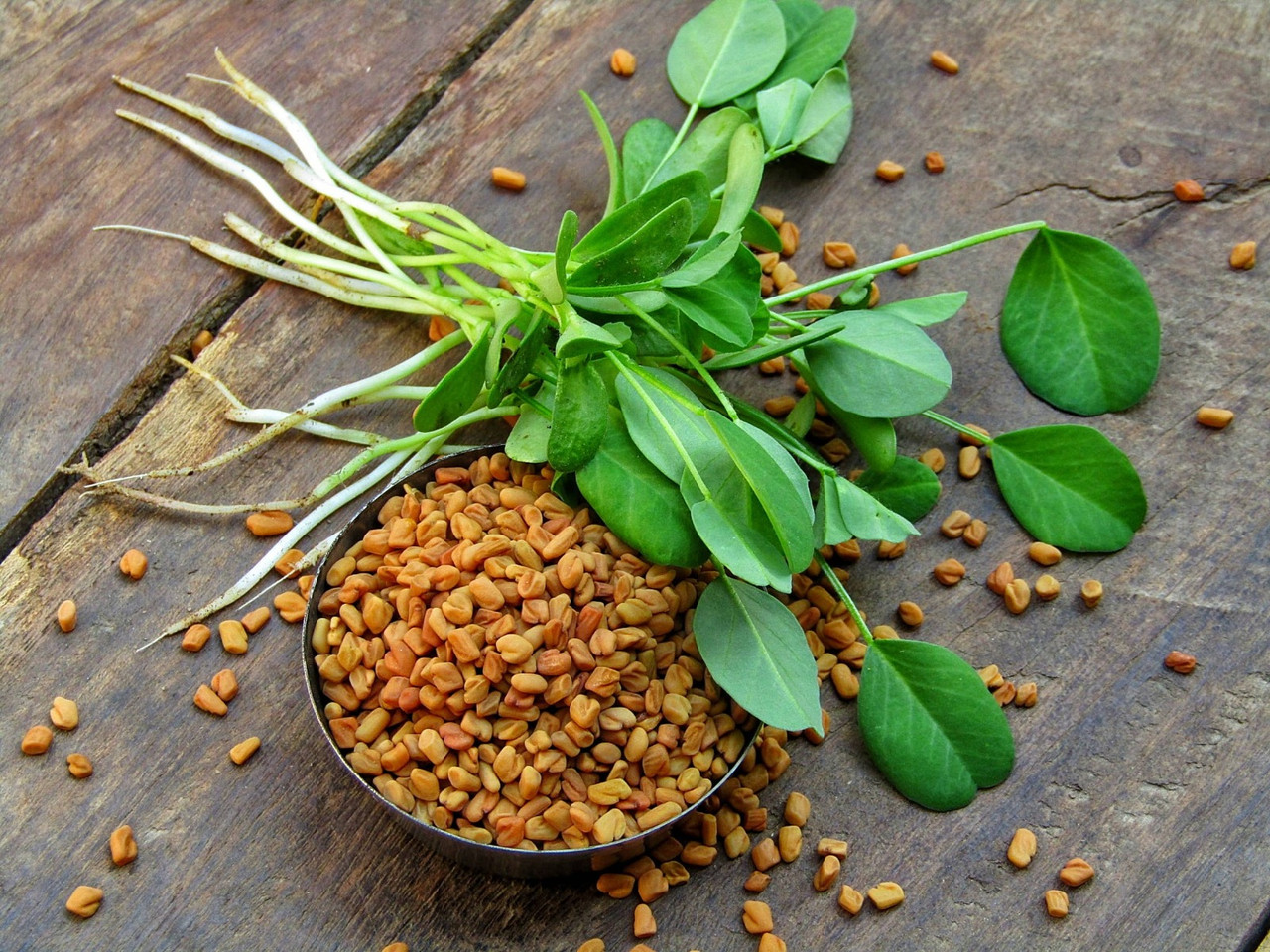
fenugreek
Description
An annual herb, 10-50 cm tall, with an erect, round stem. The leaves are glossy green, composed of 3 leaflets with serrated edges. The flowers are yellowish-white. The fruit is a pointed pod 7-9 cm long. The seeds are dented and aromatic.
Key Properties & Benefits
Emollient, anti-inflammatory, laxative, and digestive tonic. It is attributed with hypoglycemic activity (due to nicotinic acid, coumarins, and trigonelline). The steroidal sapogenins are anti-inflammatory. The extracts are active against E. histolytica and Ranikhet virus, and against phytopathogenic microorganisms.
Basic Uses
Oral Use: Treatment of gastrointestinal and respiratory inflammation. For weakness, diabetes, low milk supply (galactagogue), postpartum recovery, and rickets. Topical Use: Used in baths to relieve hemorrhoids. In compresses for wounds, pimples, and suppurations. In plasters and poultices for burns, ulcers, cellulitis, fistulas, boils, rheumatism, and inflammation.
Cultural Significance
It is mentioned in Egyptian papyri as a fever reducer and food. In Chinese medicine, it is known as hu la ba for kidney ailments. It was highly valued by Hippocrates and Dioscorides. It was introduced to Europe in the 9th century.
Spiritual & Ceremonial Use
Fenugreek has spiritual and ceremonial uses primarily linked to purification, spiritual cleansing, and strengthening of the body and mind. In some traditions, a "fenugreek water ritual" is used to nourish the body and strengthen health, connecting with natural cycles of renewal and fully utilizing the plant from seed to sprout. This ritual can be seen as a way to strengthen vital energy and spiritual clarity.
Preparation Methods
Oral use: Decoction or infusion of the seeds. Topical use: Poultices are prepared from the leaves for their anti-inflammatory and emollient properties.
Dosage Guidelines
General Therapeutic Dose (Infusion/Decoction): 2-4 g/cup, administered 2-3 times/day after meals. Oil (internal use): 1-3 capsules of 75 mg of the oil, 2-3 times/day. Topical use: Apply the oil or powder directly.
Precautions & Warnings
It is considered safe for food and medicinal use. However, overdoses of coumarins and estrogens can be toxic. The seeds contain trypsin and chymotrypsin inhibitors. Administration of the seed powder during pregnancy causes fetal resorption and malformations, suggesting abortifacient activity. Do not use fermented seeds during pregnancy. In rats, the steroidal fraction has been observed to decrease sperm motility, suggesting antifertility and antiandrogenic activity.
Ethical Harvesting
It is propagated by seed. The calyxes are cut when fully mature; the stem is cut 30 cm from the ground and it will sprout again.