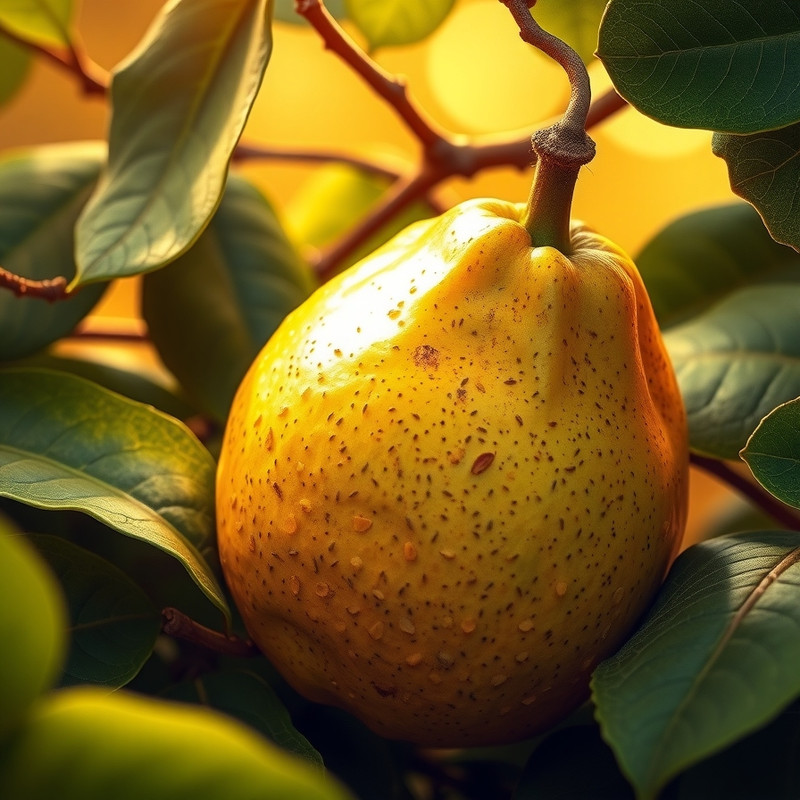
Guava
Description
Small tree or shrub. It produces round (Guava) or pear-shaped (Pichi) fruits, which are juicy and aromatic, and contain seeds.
Key Properties & Benefits
It has antiamoebic, antidiarrheal, hemostatic (to stop bleeding), astringent, tonic, and stomachic properties. It is also used as an antiseptic. The active ingredient includes guaiavolic acid.
Basic Uses
Medicinal: It is mainly used to treat diarrhea and dysentery. It is also used as an astringent, for toothaches, for wounds (in mixtures with other plants), for bleeding, and to lower blood sugar (diabetes).
Cultural Significance
Guava holds deep cultural significance in various regions, especially in Latin America and Mexico. Traditionally, guava has been valued not only as a nutritious fruit but also as a symbol of abundance, fertility, and connection to ancestral roots. In Mexican culture, for example, guava is present in festivities such as Día de Muertos (Day of the Dead), where it forms part of the offerings and represents the fertility of the land and prosperity. In places like India, guava is also considered a sacred fruit with uses in religious practices and traditional Ayurvedic medicine, highlighting its global cultural value.
Spiritual & Ceremonial Use
Guava is considered a symbol of abundance, protection, and connection with nature, and is sometimes used in rituals to attract good luck, fertility, and prosperity. In some traditional practices, guava leaves and fruit are used for energy cleansing and spiritual protection, helping to ward off negative energies and purify spaces. In certain rituals, guava is believed to balance the body, mind, and spirit, promoting inner harmony and overall well-being.
Preparation Methods
The leaves, fruit, or bark are used in decoctions or infusions. For wounds, the plant is boiled with arnica and swallowwort leaves to cleanse the affected area. For diarrhea, leaves are boiled in a liter of water.
Dosage Guidelines
It is administered 2-3 times a day, after meals, for 1-2 weeks. The dose for infusion is 2-4 g/cup. For diarrhea, the entire plant is boiled with guava leaves in one liter of water and drunk. For diabetes, a tea is made from five guava buds along with seven Cuajatinta buds.
Precautions & Warnings
No contraindications or precautions were reported at the recommended dose.
Ethical Harvesting
The leaves and bark are collected throughout the year and dried in the shade at a temperature below 45°C.