Barajo/ Barajillo
Description
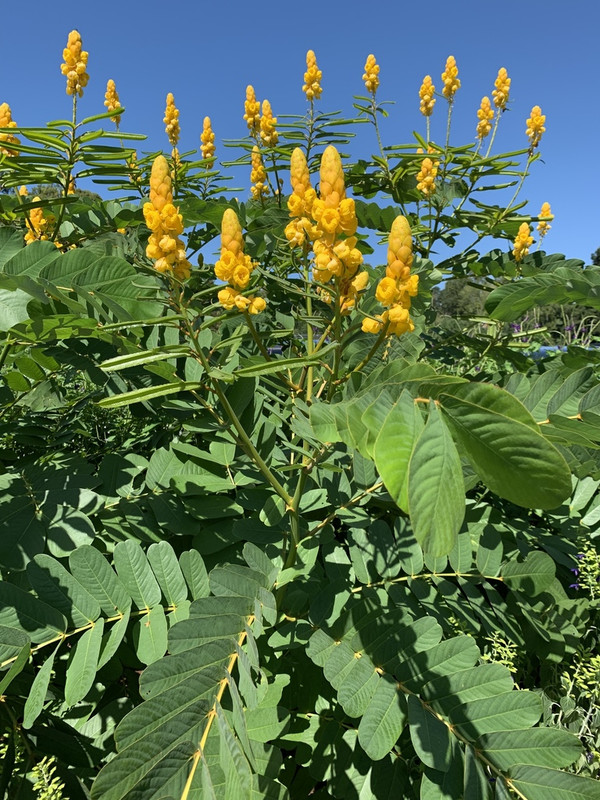
A shrub that can reach 1 to 2 meters in height. The leaves are large and compound. Its flowers are showy, bright yellow, and arranged in terminal clusters. The fruits are linear legumes with 4 longitudinal wings, 10 to 15 cm long.
Key Properties & Benefits
It is a purgative, cathartic, antibiotic, and has antifungal activity (against skin fungi). It contains anthraquinones (such as aloe-emodin), chrysophanic acid, and flavonoids.
Basic Uses
Medicinal: Primarily used to treat fungal skin infections and as a purgative or laxative for constipation. It is also used to treat abscesses, boils, and dry skin conditions such as ringworm and eczema.
Cultural Significance
The "barajo" or "barajillo" has a cultural significance mainly linked to its medicinal use in rural communities, especially in Guatemala and other tropical areas.
Spiritual & Ceremonial Use
Integrated into traditional medicine practices that combine the physical with the energetic or spiritual. Its medicinal power makes it a respected plant, used in cleansing and protection rituals.
Preparation Methods
Internal Use (Purge): Use a decoction of the leaves. External Use (Fungal Infections): Soak the affected area in the decoction water or apply a poultice of fresh or cooked leaves.
Dosage Guidelines
For purgative/laxative use: Use 20 leaves per liter of water. Drink this preparation all at once, in the morning on an empty stomach. For general use: 1-3 g/cup as an infusion or decoction, 2-3 times a day.
Precautions & Warnings
Internal use of Barajo (Senna alata) is not recommended for pregnant women, young children, or the elderly. Caution should be exercised, and dosages should be respected.
Ethical Harvesting
The ethical harvesting of barajo (Senna reticulata or Senna alata) involves sustainable practices that respect the environment and the communities that use it. This includes: Harvesting only the necessary amount of leaves or plant parts to avoid depleting natural populations or affecting plant regeneration.